Moving the Kitchen Sink or Stove in a Remodel: What's Actually Involved
4. Enhancing Electrical Safety Measures
Regular Testing and Maintenance
Safety upgrades extend beyond installation. Routine testing of outlets, switches, and circuit breakers identifies potential failures before they escalate. Periodic inspections ensure that all components remain compliant with safety codes and perform optimally. Maintenance programs tailored to the home’s electrical system maintain safety, reliability, and efficiency over time.
Modern safety devices significantly reduce risk in residential electrical systems. AFCIs detect arc faults and prevent fires, while GFCIs cut off power in case of ground faults, protecting residents from electrical shocks. Smoke and carbon monoxide detectors integrated with the electrical system provide early alerts, safeguarding both property and lives.
Installing Advanced Safety Devices
Emergency Preparedness and Surge Response
Preparing for electrical emergencies is an essential part of safety planning. Installing backup generators or battery storage systems ensures continuity of critical power during outages. Surge protection devices prevent damage from lightning strikes and utility fluctuations, protecting expensive electronics and appliances from unexpected voltage spikes.
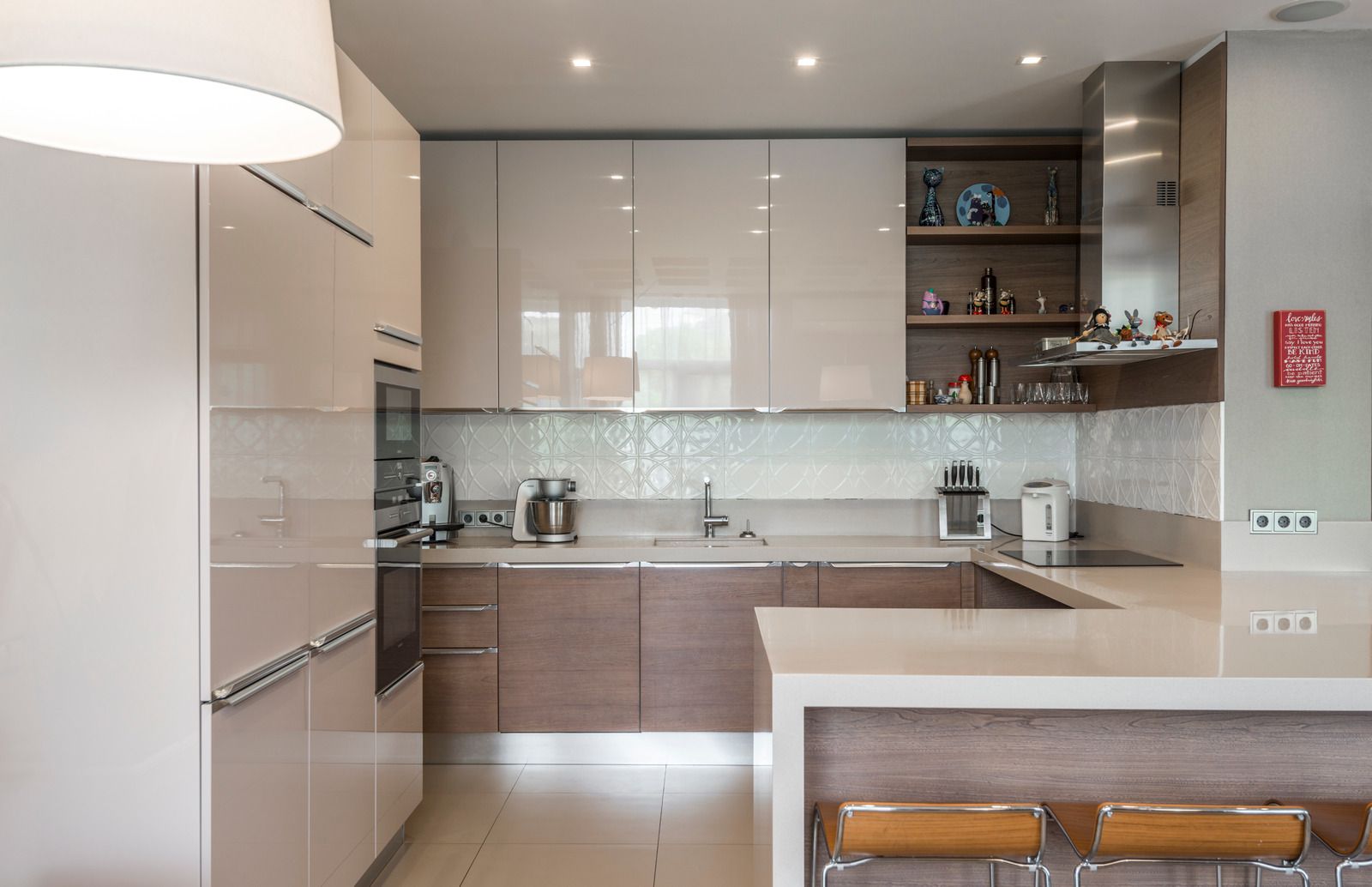
Quick Answer: Moving a kitchen sink or stove is rarely just an appliance swap. The sink carries its own drain, vent, and water lines that usually run inside the wall or under the slab, so shifting it more than a few inches often means opening the wall or floor to extend that plumbing correctly. A gas range adds a gas line and shutoff that has to be relocated by a qualified installer, plus a hood duct that needs a clear path to the outside. The distance you want to move either fixture, and what is underneath or behind the current location, determines whether this is a simple extension or a full rework of the rough-in.
You are staring at your kitchen floor plan, and the fix seems obvious: slide the sink two feet down the counter so it sits under the window, or move the range off the awkward wall and onto the island where the cooking really happens. On paper it looks like moving a box from one square to another. Then you start asking where the pipes actually go, and the project gets bigger than the sketch suggested. That gap between what looks simple on a floor plan and what is actually buried in the wall is where most remodel surprises live, and it is worth understanding before you fall in love with a new layout.
4. Enhancing Electrical Safety Measures
Regular Testing and Maintenance
Safety upgrades extend beyond installation. Routine testing of outlets, switches, and circuit breakers identifies potential failures before they escalate. Periodic inspections ensure that all components remain compliant with safety codes and perform optimally. Maintenance programs tailored to the home’s electrical system maintain safety, reliability, and efficiency over time.
Modern safety devices significantly reduce risk in residential electrical systems. AFCIs detect arc faults and prevent fires, while GFCIs cut off power in case of ground faults, protecting residents from electrical shocks. Smoke and carbon monoxide detectors integrated with the electrical system provide early alerts, safeguarding both property and lives.
Installing Advanced Safety Devices
Emergency Preparedness and Surge Response
Preparing for electrical emergencies is an essential part of safety planning. Installing backup generators or battery storage systems ensures continuity of critical power during outages. Surge protection devices prevent damage from lightning strikes and utility fluctuations, protecting expensive electronics and appliances from unexpected voltage spikes.
Why Moving a Sink Is Rarely a Quick Slide
A kitchen sink looks like a fixture sitting on the counter, but the part that actually decides whether it can move is out of sight. Underneath every sink is a drain line, a vent that lets air into the system so water flows properly, and hot and cold supply lines. All three have to reach the new location, and none of them are as flexible as the countertop above them.
The Drain And Vent Are The Real Constraint
Sink drains rely on proper slope and venting to move wastewater efficiently. Shifting a sink a few feet may be manageable, but longer relocations can require significant drain extensions, new vent connections, and additional access behind walls or floors.
Slab Construction Changes Everything
When kitchen plumbing runs beneath a concrete slab, relocating the sink may require cutting and trenching the concrete to create a new drain route. After plumbing is installed, the slab must be repaired before new flooring and finishes are completed.
An Island Sink Is Its Own Category
An island sink requires additional planning because there is no nearby wall for a traditional vertical vent. A suitable venting solution must be incorporated into the design, adding coordination and complexity compared with relocating a sink along an existing wall.
Supply Lines Are The Easy Part
Hot and cold water supply lines are generally easier to relocate than drains and vents. Their smaller size and flexible routing options allow them to travel through walls and cabinets without requiring the precise slope that drainage pipes need.
4. Enhancing Electrical Safety Measures
Regular Testing and Maintenance
Safety upgrades extend beyond installation. Routine testing of outlets, switches, and circuit breakers identifies potential failures before they escalate. Periodic inspections ensure that all components remain compliant with safety codes and perform optimally. Maintenance programs tailored to the home’s electrical system maintain safety, reliability, and efficiency over time.
Modern safety devices significantly reduce risk in residential electrical systems. AFCIs detect arc faults and prevent fires, while GFCIs cut off power in case of ground faults, protecting residents from electrical shocks. Smoke and carbon monoxide detectors integrated with the electrical system provide early alerts, safeguarding both property and lives.
Installing Advanced Safety Devices
Emergency Preparedness and Surge Response
Preparing for electrical emergencies is an essential part of safety planning. Installing backup generators or battery storage systems ensures continuity of critical power during outages. Surge protection devices prevent damage from lightning strikes and utility fluctuations, protecting expensive electronics and appliances from unexpected voltage spikes.
What Actually Happens When You Relocate a Stove
Moving a range or cooktop involves a different set of systems depending on whether you are working with gas or electric, but both share one thing in common: the appliance connection is the easy part, and the infrastructure behind it is the real project.
Gas Lines Need A Qualified Hand
Relocating a gas range requires rerouting the rigid gas supply line and shutoff valve rather than stretching a flexible connector. A qualified professional should complete and test every new connection before cabinetry, flooring, or other finishes conceal the gas line.
Electric Ranges Need The Right Circuit In Place
Electric ranges and induction cooktops require dedicated high-voltage circuits that must reach the new appliance location. Nearby moves may involve simple extensions, while relocating across the kitchen or onto an island can require more extensive electrical routing and installation work.
Ventilation Has To Follow The Range
Moving a range also means relocating its hood or downdraft ventilation system. The duct needs a practical route outdoors with minimal length and turns. Island installations can become more complicated when positioned far from exterior walls or roof access.
Clearances Still Apply At The New Spot
A relocated range must maintain appropriate clearances from cabinets, walls, combustible materials, and the ventilation hood. Before finalizing the layout, confirm that the new location provides enough width and depth for the appliance and surrounding components to fit safely.
4. Enhancing Electrical Safety Measures
Regular Testing and Maintenance
Safety upgrades extend beyond installation. Routine testing of outlets, switches, and circuit breakers identifies potential failures before they escalate. Periodic inspections ensure that all components remain compliant with safety codes and perform optimally. Maintenance programs tailored to the home’s electrical system maintain safety, reliability, and efficiency over time.
Modern safety devices significantly reduce risk in residential electrical systems. AFCIs detect arc faults and prevent fires, while GFCIs cut off power in case of ground faults, protecting residents from electrical shocks. Smoke and carbon monoxide detectors integrated with the electrical system provide early alerts, safeguarding both property and lives.
Installing Advanced Safety Devices
Emergency Preparedness and Surge Response
Preparing for electrical emergencies is an essential part of safety planning. Installing backup generators or battery storage systems ensures continuity of critical power during outages. Surge protection devices prevent damage from lightning strikes and utility fluctuations, protecting expensive electronics and appliances from unexpected voltage spikes.
Reading Your Existing Layout Before You Commit to a New One
Before any wall comes down, it helps to understand what is already running through your kitchen and how far the new location really is from what exists today.
Start With What’s Underfoot
Check where existing drain and supply lines run before choosing a new sink location. Slab homes may require concrete cutting, while crawl spaces or basements usually provide easier access for confirming plumbing routes.
Trace The Exterior Wall Relationships
Consider how close the new fixture location is to exterior walls. Sink vents, gas lines, and range hood ducts benefit from shorter routes, making exterior-wall locations generally simpler than central kitchen placements.
Think About The Cabinetry Sequence, Not Just Fixtures
Plan the complete cabinet and countertop layout alongside fixture relocation. Sink and stove moves affect surrounding cabinetry, backsplash, and openings, so accurate rough-in placement helps prevent alignment problems and expensive adjustments later.
Tip: Before you lock in a new sink or stove location, ask to see where the existing drain, vent, gas, and electrical lines currently run in your kitchen. A quick look at the rough-in, even from an access panel or a peek under the sink, tells you far more about how involved the move will be than the floor plan alone ever will.
4. Enhancing Electrical Safety Measures
Regular Testing and Maintenance
Safety upgrades extend beyond installation. Routine testing of outlets, switches, and circuit breakers identifies potential failures before they escalate. Periodic inspections ensure that all components remain compliant with safety codes and perform optimally. Maintenance programs tailored to the home’s electrical system maintain safety, reliability, and efficiency over time.
Modern safety devices significantly reduce risk in residential electrical systems. AFCIs detect arc faults and prevent fires, while GFCIs cut off power in case of ground faults, protecting residents from electrical shocks. Smoke and carbon monoxide detectors integrated with the electrical system provide early alerts, safeguarding both property and lives.
Installing Advanced Safety Devices
Emergency Preparedness and Surge Response
Preparing for electrical emergencies is an essential part of safety planning. Installing backup generators or battery storage systems ensures continuity of critical power during outages. Surge protection devices prevent damage from lightning strikes and utility fluctuations, protecting expensive electronics and appliances from unexpected voltage spikes.
Sequencing the Move Inside a Larger Remodel
Relocating a sink or stove rarely happens in isolation. It usually happens alongside a bigger kitchen remodel, and getting the order of operations right matters as much as the plumbing and electrical work itself.
Rough-In Comes Before Finishes, Always
Complete and test all new plumbing, gas, ventilation, and electrical rough-ins before installing drywall, flooring, cabinets, or countertops. Finishing these hidden systems first prevents unnecessary reopening, rework, delays, and complications later.
Confirm The New Spot Before Ordering Cabinets And Countertops
Finalize the sink or stove location before ordering cabinets and countertops. Fixture placement determines cabinet configurations, appliance openings, and countertop cutouts, so late layout changes can create costly modifications or compromises during installation.
Coordinate Trades So Nobody Works Around Half-Finished Systems
Sink and stove relocations often involve plumbers, electricians, and sometimes framing professionals. Coordinating their schedules and work sequence keeps each stage moving efficiently and prevents one trade from waiting on unfinished work.
4. Enhancing Electrical Safety Measures
Regular Testing and Maintenance
Safety upgrades extend beyond installation. Routine testing of outlets, switches, and circuit breakers identifies potential failures before they escalate. Periodic inspections ensure that all components remain compliant with safety codes and perform optimally. Maintenance programs tailored to the home’s electrical system maintain safety, reliability, and efficiency over time.
Modern safety devices significantly reduce risk in residential electrical systems. AFCIs detect arc faults and prevent fires, while GFCIs cut off power in case of ground faults, protecting residents from electrical shocks. Smoke and carbon monoxide detectors integrated with the electrical system provide early alerts, safeguarding both property and lives.
Installing Advanced Safety Devices
Emergency Preparedness and Surge Response
Preparing for electrical emergencies is an essential part of safety planning. Installing backup generators or battery storage systems ensures continuity of critical power during outages. Surge protection devices prevent damage from lightning strikes and utility fluctuations, protecting expensive electronics and appliances from unexpected voltage spikes.
Structural Considerations When Systems Cross a Wall
Sometimes the path a drain, vent, or gas line needs to take runs into a wall that is doing more than holding up drywall.
Know which walls are load-bearing before you route anything through them
Running new plumbing or gas lines through wall framing means drilling or notching the studs, and how much material can safely be removed from a stud depends heavily on whether that wall is carrying weight from above. This gets evaluated wall by wall, not assumed based on where the wall sits in the house.
Rerouting around framing is often the cleaner answer
Rather than drilling through a stud that is doing structural work, it is frequently more practical to route the new line around the framing, through an open bay, or along an adjacent wall that reaches the new fixture location without touching load-bearing members. This can add a little distance to the pipe run but avoids weakening framing that needs to stay intact.
Warning: Never treat a wall as "just drywall" until it has actually been checked. Kitchens sit on some of the most heavily loaded walls in a house, especially where a second story or roof framing bears down above them, and cutting into the wrong stud to make room for a relocated drain or gas line can compromise more than the plumbing. Have this confirmed before any framing gets opened, not after.
4. Enhancing Electrical Safety Measures
Regular Testing and Maintenance
Safety upgrades extend beyond installation. Routine testing of outlets, switches, and circuit breakers identifies potential failures before they escalate. Periodic inspections ensure that all components remain compliant with safety codes and perform optimally. Maintenance programs tailored to the home’s electrical system maintain safety, reliability, and efficiency over time.
Modern safety devices significantly reduce risk in residential electrical systems. AFCIs detect arc faults and prevent fires, while GFCIs cut off power in case of ground faults, protecting residents from electrical shocks. Smoke and carbon monoxide detectors integrated with the electrical system provide early alerts, safeguarding both property and lives.
Installing Advanced Safety Devices
Emergency Preparedness and Surge Response
Preparing for electrical emergencies is an essential part of safety planning. Installing backup generators or battery storage systems ensures continuity of critical power during outages. Surge protection devices prevent damage from lightning strikes and utility fluctuations, protecting expensive electronics and appliances from unexpected voltage spikes.
Making the Layout Decision With Full Information
Once you know what is actually running behind your current sink and stove, the decision about where to move them gets a lot more grounded. A relocation a few feet in one direction, staying close to the existing wall penetrations and an exterior wall for venting, is often a contained and predictable piece of the remodel. A relocation across the kitchen, onto an island with no wall behind it, or away from any exterior wall for venting, is a bigger undertaking that touches plumbing, gas, electrical, and sometimes framing all at once. Neither path is wrong. Plenty of homeowners move a range onto an island or a sink under a new window and end up thrilled with the result, but knowing which category your move falls into before the demo starts is what keeps the project on track instead of turning into a string of surprises.
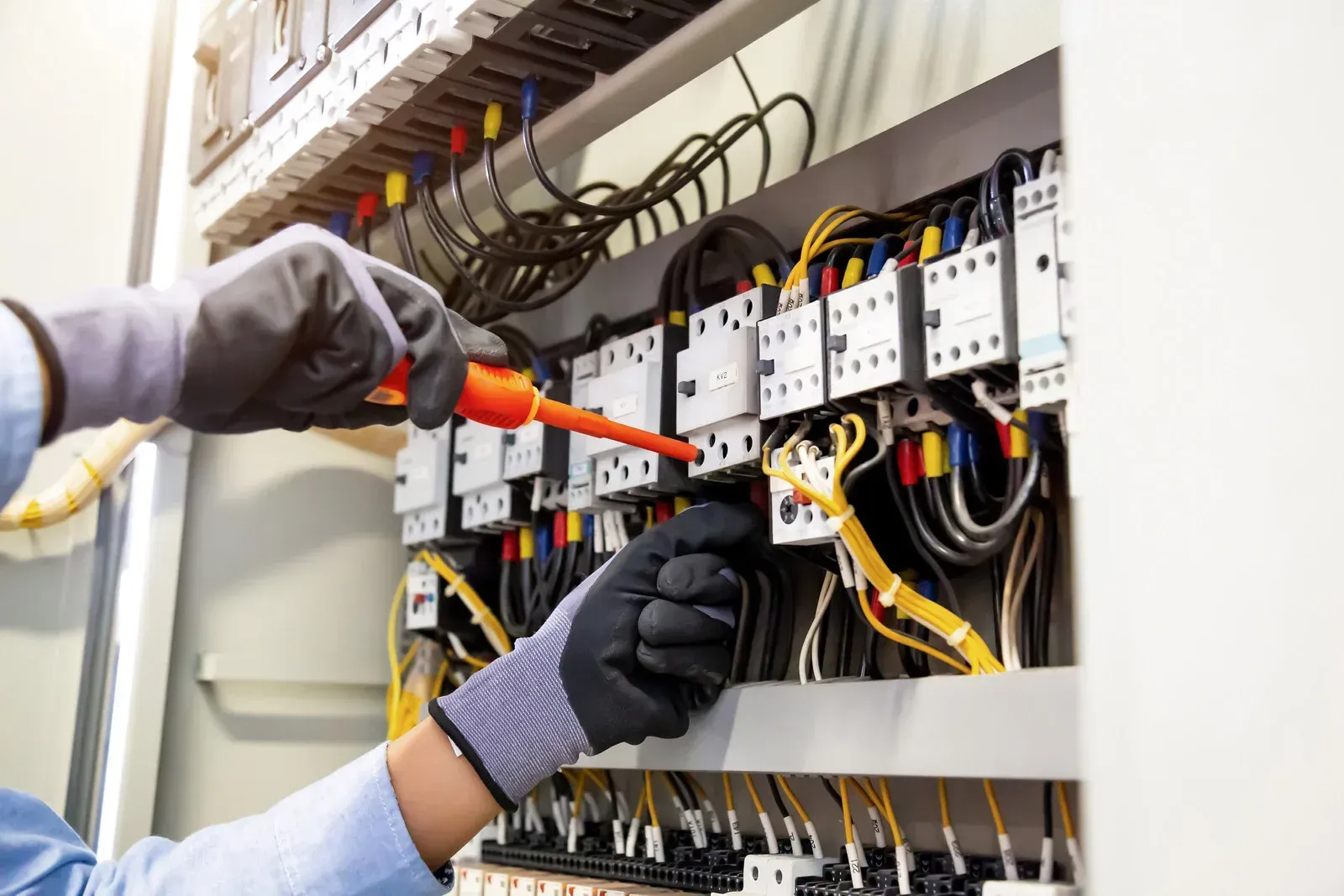
Electrical systems are the backbone of modern homes, powering everything from essential appliances to advanced smart home devices. Over time, these systems can become outdated, strained, or unsafe, making regular upgrades not just a matter of convenience, but of safety and efficiency. With the increasing demand for electricity due to technological advancements and lifestyle changes, homeowners must consider proactive measures to ensure their homes are equipped to handle modern energy needs. Safe and smart electrical upgrades provide the dual benefit of protecting the home while enhancing functionality, allowing residents to enjoy reliable, energy-efficient, and technologically integrated living spaces.
Beyond safety and efficiency, smart electrical upgrades offer improved control over energy usage, reducing utility costs and environmental impact. Modern upgrades also support the integration of smart home systems, including lighting, security, and climate control, enhancing comfort and convenience. Investing in
professional-grade electrical solutions
ensures that every component—from wiring and outlets to circuit breakers and energy management systems—is installed according to the highest safety standards. By adopting strategic upgrades, homeowners can prevent hazards such as electrical fires, power surges, and overloads while future-proofing their homes for evolving technological demands.
4. Enhancing Electrical Safety Measures
Regular Testing and Maintenance
Safety upgrades extend beyond installation. Routine testing of outlets, switches, and circuit breakers identifies potential failures before they escalate. Periodic inspections ensure that all components remain compliant with safety codes and perform optimally. Maintenance programs tailored to the home’s electrical system maintain safety, reliability, and efficiency over time.
Modern safety devices significantly reduce risk in residential electrical systems. AFCIs detect arc faults and prevent fires, while GFCIs cut off power in case of ground faults, protecting residents from electrical shocks. Smoke and carbon monoxide detectors integrated with the electrical system provide early alerts, safeguarding both property and lives.
Installing Advanced Safety Devices
Emergency Preparedness and Surge Response
Preparing for electrical emergencies is an essential part of safety planning. Installing backup generators or battery storage systems ensures continuity of critical power during outages. Surge protection devices prevent damage from lightning strikes and utility fluctuations, protecting expensive electronics and appliances from unexpected voltage spikes.
Frequently Asked Questions
How far can you move a kitchen sink without major plumbing work?
A sink can usually move a few feet along the same wall without major plumbing changes. Moving it farther or onto an island often requires significant drain and vent modifications.
Can you move a gas stove to a kitchen island?
Yes. Moving a gas stove to an island requires extending the gas line, relocating the shutoff, and providing proper ventilation, often requiring careful coordination between several different remodeling trades.
Do I need to open the wall to relocate a sink?
Usually, yes. Relocating a sink requires access to drain, vent, and water supply lines, which typically means opening part of the wall or floor before completing the finished surfaces.
What’s harder to move, the sink or the stove?
It depends on distance and existing connections. Gas stove moves require specialized work, while relocating a sink across a slab can involve extensive plumbing, trenching, concrete cutting, and subsequent repairs.
Does moving the sink or stove affect the rest of the remodel timeline?
Yes. Plumbing, gas, electrical, and ventilation rough-ins must be completed before cabinets, countertops, flooring, and finishes, so deciding fixture locations early helps prevent delays throughout the overall remodeling process.
4. Enhancing Electrical Safety Measures
Regular Testing and Maintenance
Safety upgrades extend beyond installation. Routine testing of outlets, switches, and circuit breakers identifies potential failures before they escalate. Periodic inspections ensure that all components remain compliant with safety codes and perform optimally. Maintenance programs tailored to the home’s electrical system maintain safety, reliability, and efficiency over time.
Modern safety devices significantly reduce risk in residential electrical systems. AFCIs detect arc faults and prevent fires, while GFCIs cut off power in case of ground faults, protecting residents from electrical shocks. Smoke and carbon monoxide detectors integrated with the electrical system provide early alerts, safeguarding both property and lives.
Installing Advanced Safety Devices
Emergency Preparedness and Surge Response
Preparing for electrical emergencies is an essential part of safety planning. Installing backup generators or battery storage systems ensures continuity of critical power during outages. Surge protection devices prevent damage from lightning strikes and utility fluctuations, protecting expensive electronics and appliances from unexpected voltage spikes.
Planning Fixture Moves Without Remodeling Surprises
Moving a sink or stove works best when the new layout is planned around the systems already hidden behind the walls and floors. ABL Contracting brings 30 years of experience to kitchen remodeling projects in Ontario, CA, helping homeowners understand how plumbing, electrical, ventilation, and framing affect fixture placement. Careful planning before demolition makes it easier to identify potential complications, coordinate the necessary trades, and keep each stage of the remodel moving in the proper sequence.
The best kitchen layout balances the way you want to use the space with what is practical to build. Some fixture relocations require only modest extensions, while others involve substantial changes beneath the floor or inside the walls. Understanding those differences early allows cabinetry, countertops, flooring, and appliance locations to be planned around accurate rough-in requirements. With the infrastructure considered from the beginning, a relocated sink or stove can feel like a natural part of the finished kitchen rather than a complicated adjustment.