Should You Convert Your Tub to a Shower? How to Know When It's Worth It
4. Enhancing Electrical Safety Measures
Regular Testing and Maintenance
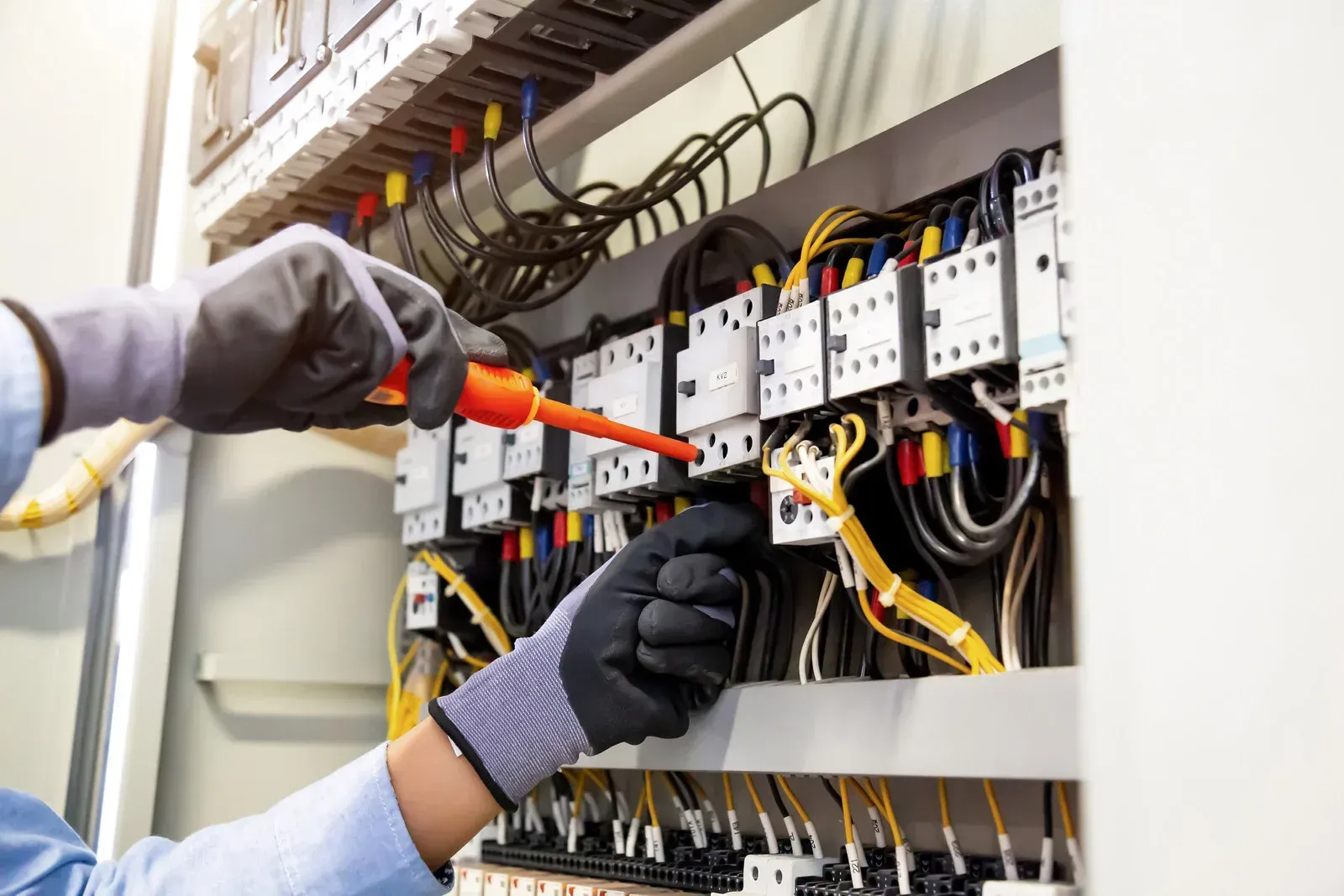
Safety upgrades extend beyond installation. Routine testing of outlets, switches, and circuit breakers identifies potential failures before they escalate. Periodic inspections ensure that all components remain compliant with safety codes and perform optimally. Maintenance programs tailored to the home’s electrical system maintain safety, reliability, and efficiency over time.
Modern safety devices significantly reduce risk in residential electrical systems. AFCIs detect arc faults and prevent fires, while GFCIs cut off power in case of ground faults, protecting residents from electrical shocks. Smoke and carbon monoxide detectors integrated with the electrical system provide early alerts, safeguarding both property and lives.
Installing Advanced Safety Devices
Emergency Preparedness and Surge Response
Preparing for electrical emergencies is an essential part of safety planning. Installing backup generators or battery storage systems ensures continuity of critical power during outages. Surge protection devices prevent damage from lightning strikes and utility fluctuations, protecting expensive electronics and appliances from unexpected voltage spikes.
Quick Answer: A tub-to-shower conversion is worth it when the tub sits mostly unused and easier daily access matters more to the household than an occasional soak, as long as a bathtub still exists somewhere else in the home. It gets harder to justify in a single-bathroom house or when young children still need a tub regularly. Converting a tub properly also means rebuilding the waterproofing and slope underneath the tile, not just swapping the fixture, so the quality of that hidden work matters just as much as the decision itself.
You walk past that tub every day and cannot remember the last time anyone actually sat in it. Maybe it holds a laundry basket now, or a rotation of bath toys nobody has touched since last summer. Meanwhile the shower next to it gets used twice a day by every person in the house, and stepping over that tub wall with wet feet has started to feel like an obstacle rather than a feature. If that sounds familiar, you are not alone in wondering whether the tub has earned its square footage, or whether it is time to open that space up into a shower you would actually enjoy using.
4. Enhancing Electrical Safety Measures
Regular Testing and Maintenance
Safety upgrades extend beyond installation. Routine testing of outlets, switches, and circuit breakers identifies potential failures before they escalate. Periodic inspections ensure that all components remain compliant with safety codes and perform optimally. Maintenance programs tailored to the home’s electrical system maintain safety, reliability, and efficiency over time.
Modern safety devices significantly reduce risk in residential electrical systems. AFCIs detect arc faults and prevent fires, while GFCIs cut off power in case of ground faults, protecting residents from electrical shocks. Smoke and carbon monoxide detectors integrated with the electrical system provide early alerts, safeguarding both property and lives.
Installing Advanced Safety Devices
Emergency Preparedness and Surge Response
Preparing for electrical emergencies is an essential part of safety planning. Installing backup generators or battery storage systems ensures continuity of critical power during outages. Surge protection devices prevent damage from lightning strikes and utility fluctuations, protecting expensive electronics and appliances from unexpected voltage spikes.
Why This Question Comes Up in the First Place
Bathrooms get designed around assumptions that do not always match how a household actually lives years later. A builder-grade tub-shower combo goes into nearly every new home and most remodels by default, regardless of whether anyone in that house takes baths.
Usage Patterns Shift Over Time
Kids who once needed a tub for bath time eventually become teenagers wanting quick showers before school. Empty nesters may rarely use guest bathroom tubs. Household needs change, making old layouts less practical.
The Tub Can Start Working Against The Room
A dated tub-shower combination can occupy space that could support a more comfortable walk-in shower. Stepping over a tub wall may become difficult, especially with aging joints. When unused, the tub loses value.
An Unused Tub Is Not Automatically Wasted
An unused tub is not necessarily wasted space. Some homeowners may still need it for children, guests, pets, or future resale considerations. Its value depends on how the household actually uses the bathroom.
It Is Rarely An All-Or-Nothing Decision
Converting one tub does not mean eliminating baths throughout the house. If another bathroom has a tub, the decision becomes more specific: which bathroom better serves the household as a shower rather than a combination unit?
4. Enhancing Electrical Safety Measures
Regular Testing and Maintenance
Safety upgrades extend beyond installation. Routine testing of outlets, switches, and circuit breakers identifies potential failures before they escalate. Periodic inspections ensure that all components remain compliant with safety codes and perform optimally. Maintenance programs tailored to the home’s electrical system maintain safety, reliability, and efficiency over time.
Modern safety devices significantly reduce risk in residential electrical systems. AFCIs detect arc faults and prevent fires, while GFCIs cut off power in case of ground faults, protecting residents from electrical shocks. Smoke and carbon monoxide detectors integrated with the electrical system provide early alerts, safeguarding both property and lives.
Installing Advanced Safety Devices
Emergency Preparedness and Surge Response
Preparing for electrical emergencies is an essential part of safety planning. Installing backup generators or battery storage systems ensures continuity of critical power during outages. Surge protection devices prevent damage from lightning strikes and utility fluctuations, protecting expensive electronics and appliances from unexpected voltage spikes.
What Actually Changes When You Convert
A tub-to-shower conversion looks like a simple fixture swap from the outside, but the work happening behind the tile is a full rebuild of that corner of the bathroom.
The Floor Gets Rebuilt From The Studs Up
A tub sits in a shallow, mostly flat basin. A shower floor needs a quarter-inch-per-foot slope toward the drain, built with mortar or a factory-sloped pan and waterproofing membrane tied directly into the drain assembly.
The Drain Usually Changes Too
A tub drain and shower drain are different fixtures with different flow requirements. Plumbing underneath often needs modification for the new drain body and waterproofing connection. Moving the drain also adds additional plumbing work.
Walls Need Waterproof Backing, Not Just New Tile
A full shower wall gets soaked from floor to ceiling, unlike a tub surround. The assembly behind tile needs waterproof backer board or a liquid membrane, not standard drywall, particularly around lower areas where moisture concentrates.
4. Enhancing Electrical Safety Measures
Regular Testing and Maintenance
Safety upgrades extend beyond installation. Routine testing of outlets, switches, and circuit breakers identifies potential failures before they escalate. Periodic inspections ensure that all components remain compliant with safety codes and perform optimally. Maintenance programs tailored to the home’s electrical system maintain safety, reliability, and efficiency over time.
Modern safety devices significantly reduce risk in residential electrical systems. AFCIs detect arc faults and prevent fires, while GFCIs cut off power in case of ground faults, protecting residents from electrical shocks. Smoke and carbon monoxide detectors integrated with the electrical system provide early alerts, safeguarding both property and lives.
Installing Advanced Safety Devices
Emergency Preparedness and Surge Response
Preparing for electrical emergencies is an essential part of safety planning. Installing backup generators or battery storage systems ensures continuity of critical power during outages. Surge protection devices prevent damage from lightning strikes and utility fluctuations, protecting expensive electronics and appliances from unexpected voltage spikes.
Tip: Ask whoever is doing the conversion to walk you through exactly what waterproofing system goes under the tile before any of it gets covered up. A sloped pan and a membrane that ties cleanly into the drain are what actually keep water out of your subfloor and the room below it. The tile and grout on top are the finish layer, not the waterproofing.
The Case for Keeping the Tub
Converting is not automatically the right call, and there are a few situations where keeping at least one tub in the house still makes the most sense.
Young Kids Still Need One Somewhere
Households with toddlers or young children generally want at least one bathtub for bath time, even if it is elsewhere. If this is your only tub, consider converting another bathroom instead before removing it.
A Single-Bathroom Home Changes The Math
If your home has one full bathroom, removing its only tub may limit future buyers seeking a bathtub. Homes with multiple bathrooms have more flexibility because another tub remains available for anyone wanting one.
Some People Simply Use Their Tub
Not everyone sees a bathtub as decorative. Regular baths, physical therapy routines, bathing children, or washing pets can make a tub genuinely useful. If yours gets consistent use, keeping it makes practical sense.
4. Enhancing Electrical Safety Measures
Regular Testing and Maintenance
Safety upgrades extend beyond installation. Routine testing of outlets, switches, and circuit breakers identifies potential failures before they escalate. Periodic inspections ensure that all components remain compliant with safety codes and perform optimally. Maintenance programs tailored to the home’s electrical system maintain safety, reliability, and efficiency over time.
Modern safety devices significantly reduce risk in residential electrical systems. AFCIs detect arc faults and prevent fires, while GFCIs cut off power in case of ground faults, protecting residents from electrical shocks. Smoke and carbon monoxide detectors integrated with the electrical system provide early alerts, safeguarding both property and lives.
Installing Advanced Safety Devices
Emergency Preparedness and Surge Response
Preparing for electrical emergencies is an essential part of safety planning. Installing backup generators or battery storage systems ensures continuity of critical power during outages. Surge protection devices prevent damage from lightning strikes and utility fluctuations, protecting expensive electronics and appliances from unexpected voltage spikes.
The Case for Converting
On the other side, there are situations where a shower conversion solves more than it gives up. In our experience, the households that end up happiest with the change are the ones where the tub had already stopped being anything but a shelf.
Daily Use Almost Always Wins Over Occasional Use
If everyone showers daily while the tub sits unused between guests, maintaining an occasional fixture makes little sense. Converting it into a larger shower puts that space toward what the household uses every day.
Entry And Mobility Matter More As Households Age
Stepping over a tub wall can become difficult with age. A low-threshold or curbless shower eliminates that step, helping people with balance concerns, joint discomfort, or future mobility changes maintain comfortable bathroom access.
A Converted Shower Can Be Noticeably Larger And More Functional
Removing a tub frees space for a properly sized shower, built-in bench, storage niche, or greater elbow room. Instead of dividing one footprint between two functions, the bathroom can prioritize the feature used most.
Water Use Drops With Daily Showers Over Baths
In water-conscious regions, showering instead of filling a full bathtub can reduce water used for daily bathing. Pairing that routine with a modern low-flow showerhead helps maintain efficiency while preserving comfort and practical performance.
4. Enhancing Electrical Safety Measures
Regular Testing and Maintenance
Safety upgrades extend beyond installation. Routine testing of outlets, switches, and circuit breakers identifies potential failures before they escalate. Periodic inspections ensure that all components remain compliant with safety codes and perform optimally. Maintenance programs tailored to the home’s electrical system maintain safety, reliability, and efficiency over time.
Modern safety devices significantly reduce risk in residential electrical systems. AFCIs detect arc faults and prevent fires, while GFCIs cut off power in case of ground faults, protecting residents from electrical shocks. Smoke and carbon monoxide detectors integrated with the electrical system provide early alerts, safeguarding both property and lives.
Installing Advanced Safety Devices
Emergency Preparedness and Surge Response
Preparing for electrical emergencies is an essential part of safety planning. Installing backup generators or battery storage systems ensures continuity of critical power during outages. Surge protection devices prevent damage from lightning strikes and utility fluctuations, protecting expensive electronics and appliances from unexpected voltage spikes.
What a Properly Built Conversion Actually Requires
Once you decide converting makes sense, the quality of what goes on behind the tile determines whether that decision pays off or turns into a maintenance headache.
The Slope And The Membrane Are Non-Negotiable
Every shower floor needs a quarter-inch-per-foot slope toward the drain and a waterproofing membrane extending beyond the shower footprint. That added protection helps catch splashed water before it reaches the surrounding subfloor or bathroom structure.
Drain Style Affects The Whole Layout
A linear drain slopes the floor in one direction, simplifying tile installation and supporting curbless entries. A center drain requires slopes from four sides, making larger tile more challenging. Both work, but each changes the finished design.
Slip Resistance Belongs In The Plan, Not As An Afterthought
Smaller mosaic or textured shower-floor tile provides more grout lines and underfoot texture than large smooth tile. Planning slip resistance early improves footing, especially near the entry, where wet feet can make surfaces feel less secure.
Warning: Never let anyone skip the waterproofing step to save time on a conversion, and never assume tile and grout alone are keeping water out of the wall or floor behind them. Tile is a finish surface, not a water barrier. If the membrane underneath is incomplete or was never tied properly into the drain, a leak can travel into the subfloor or the room below for months before it becomes visible, and by then the repair involves far more than the shower itself.
4. Enhancing Electrical Safety Measures
Regular Testing and Maintenance
Safety upgrades extend beyond installation. Routine testing of outlets, switches, and circuit breakers identifies potential failures before they escalate. Periodic inspections ensure that all components remain compliant with safety codes and perform optimally. Maintenance programs tailored to the home’s electrical system maintain safety, reliability, and efficiency over time.
Modern safety devices significantly reduce risk in residential electrical systems. AFCIs detect arc faults and prevent fires, while GFCIs cut off power in case of ground faults, protecting residents from electrical shocks. Smoke and carbon monoxide detectors integrated with the electrical system provide early alerts, safeguarding both property and lives.
Installing Advanced Safety Devices
Emergency Preparedness and Surge Response
Preparing for electrical emergencies is an essential part of safety planning. Installing backup generators or battery storage systems ensures continuity of critical power during outages. Surge protection devices prevent damage from lightning strikes and utility fluctuations, protecting expensive electronics and appliances from unexpected voltage spikes.
How to Decide for Your Own Bathroom
With the trade-offs in mind, a few practical questions usually settle the decision faster than going back and forth on it.
How many bathrooms does the home have, and does at least one keep a tub? If converting this bathroom still leaves a tub somewhere else in the house, most of the resale and household-need concerns fall away, and the decision comes down to what works best day to day.
Who actually uses this specific bathroom? A primary bathroom used mainly by adults who shower daily is a strong candidate for conversion. A secondary bathroom used by young kids or a guest room bathroom that occasionally hosts family with small children leans the other way.
Is anyone in the household planning to stay in the home long-term? If you expect to be in this house for years or decades, building in a lower-threshold, easier-entry shower now is a comfortable, forward-looking choice rather than something to retrofit later under less convenient circumstances.
Does the existing layout actually support a good shower footprint? Some tub spaces convert into a spacious shower with room to spare. Others sit in a tight corner where the resulting shower would barely improve on the tub it replaced. Looking at the real dimensions before committing avoids trading one cramped fixture for another.
Electrical systems are the backbone of modern homes, powering everything from essential appliances to advanced smart home devices. Over time, these systems can become outdated, strained, or unsafe, making regular upgrades not just a matter of convenience, but of safety and efficiency. With the increasing demand for electricity due to technological advancements and lifestyle changes, homeowners must consider proactive measures to ensure their homes are equipped to handle modern energy needs. Safe and smart electrical upgrades provide the dual benefit of protecting the home while enhancing functionality, allowing residents to enjoy reliable, energy-efficient, and technologically integrated living spaces.
Beyond safety and efficiency, smart electrical upgrades offer improved control over energy usage, reducing utility costs and environmental impact. Modern upgrades also support the integration of smart home systems, including lighting, security, and climate control, enhancing comfort and convenience. Investing in
professional-grade electrical solutions
ensures that every component—from wiring and outlets to circuit breakers and energy management systems—is installed according to the highest safety standards. By adopting strategic upgrades, homeowners can prevent hazards such as electrical fires, power surges, and overloads while future-proofing their homes for evolving technological demands.
4. Enhancing Electrical Safety Measures
Regular Testing and Maintenance
Safety upgrades extend beyond installation. Routine testing of outlets, switches, and circuit breakers identifies potential failures before they escalate. Periodic inspections ensure that all components remain compliant with safety codes and perform optimally. Maintenance programs tailored to the home’s electrical system maintain safety, reliability, and efficiency over time.
Modern safety devices significantly reduce risk in residential electrical systems. AFCIs detect arc faults and prevent fires, while GFCIs cut off power in case of ground faults, protecting residents from electrical shocks. Smoke and carbon monoxide detectors integrated with the electrical system provide early alerts, safeguarding both property and lives.
Installing Advanced Safety Devices
Emergency Preparedness and Surge Response
Preparing for electrical emergencies is an essential part of safety planning. Installing backup generators or battery storage systems ensures continuity of critical power during outages. Surge protection devices prevent damage from lightning strikes and utility fluctuations, protecting expensive electronics and appliances from unexpected voltage spikes.
Frequently Asked Questions
Is it a bad idea to remove the only bathtub in a house?
It depends more on the household than a fixed rule. Homes with young children benefit from keeping a tub somewhere, and a single bathroom home narrows its buyer pool. Multi-bathroom homes rarely need to worry about it.
Can a tub-to-shower conversion be done without opening the whole wall?
Some of the wall almost always needs to open, since the surround, backing, and plumbing behind it need attention for a full shower assembly. Expect a wall-to-wall rebuild, not just a surface swap.
How is a shower floor waterproofed differently than a tub surround?
A shower floor needs a sloped base and a membrane tying into the drain, extending past the shower's footprint. A tub surround only manages splash a few feet up the wall, so the two are not interchangeable.
Does converting a tub to a shower make a small bathroom feel bigger?
Often, yes. A tub-shower combo splits the footprint between two fixtures, so neither gets full size. Removing the tub for a properly proportioned shower, sometimes with a single glass panel, frequently opens up visual space.
What is the difference between a linear drain and a center drain for a converted shower?
A linear drain runs along one wall, letting the floor slope in a single direction for simpler tile work and a low-threshold entry. A center drain slopes evenly from all four sides, working well in central layouts.
4. Enhancing Electrical Safety Measures
Regular Testing and Maintenance
Safety upgrades extend beyond installation. Routine testing of outlets, switches, and circuit breakers identifies potential failures before they escalate. Periodic inspections ensure that all components remain compliant with safety codes and perform optimally. Maintenance programs tailored to the home’s electrical system maintain safety, reliability, and efficiency over time.
Modern safety devices significantly reduce risk in residential electrical systems. AFCIs detect arc faults and prevent fires, while GFCIs cut off power in case of ground faults, protecting residents from electrical shocks. Smoke and carbon monoxide detectors integrated with the electrical system provide early alerts, safeguarding both property and lives.
Installing Advanced Safety Devices
Emergency Preparedness and Surge Response
Preparing for electrical emergencies is an essential part of safety planning. Installing backup generators or battery storage systems ensures continuity of critical power during outages. Surge protection devices prevent damage from lightning strikes and utility fluctuations, protecting expensive electronics and appliances from unexpected voltage spikes.
Deciding What Fits Your Bathroom and Household
The tub-to-shower question rarely has one right answer for every home. What matters is whether the household still uses a bathtub anywhere, how the bathroom gets used day to day, and whether the underlying floor and walls get rebuilt correctly once the tub comes out. A conversion done well changes daily comfort more than most homeowners expect, while one done poorly hides problems that surface months later. Getting the waterproofing and slope right matters as much as the decision to convert.
ABL Contracting
has spent 30
years
building and remodeling bathrooms
throughout Ontario, CA, and the surrounding region, working through this exact decision with homeowners one bathroom at a time. Every conversion starts with an honest look at how a family actually uses the space, followed by a rebuild that treats the slope, the membrane, and the drain as the real work rather than a step to rush past. The tub either earns its place or it does not, and that answer is usually clear.